
About

About Bridge That Gap Initiative

Empowering People. Transforming Communities.

Bridge That Gap Hope for Africa Initiative (BTG) is a nonprofit organization committed to transforming lives and building stronger communities across Africa. Since its founding in 2016 and incorporation in 2018, BTG has worked to address some of the most pressing challenges facing individuals and societies today.

Through innovative programs and grassroots interventions, we create pathways for change in key areas such as governance, education, climate action, livelihood support, disaster risk management, peace-building, and mental health and psychosocial support. Beyond these, we are deeply passionate about advocating for safe spaces where women and girls can thrive, free from barriers and limitations.

Our Vision

Building sustainable communities by eliminating gaps in access to opportunities and basic rights within the vulnerable population.

Our Mission

To accelerate the fight against poverty through integrated intervention that promotes cooperation between relevant stakeholders to undertake development projects, ensure citizens engagement, equitable access to opportunities, and minimizes environmental degradation.

Core Values

We take full responsibility for our actions and decisions, ensuring that every commitment we make is backed by measurable impact and trustworthiness.

We believe in being truthful and open in all our engagements, fostering authentic relationships with the people and communities we serve.

We uphold strong moral and ethical principles, ensuring that our work consistently reflects our values and mission.

We are dedicated to creating opportunities that embrace diversity, giving every individual — regardless of background or status — the chance to thrive.

We strive to treat everyone with respect and impartiality, ensuring that our programs and interventions are just and balanced.

We maintain openness in our processes and communications, building confidence through clarity and honesty at every level.

AIMS AND OBJECTIVES

RAISE PUBLIC AWARENESS

  • Increase understanding of the science behind climate change and its impacts on ecosystems, communities, and economies.
  • Communicate the urgency of addressing climate change as a global and immediate challenge.
  • Foster a sense of individual and collective responsibility for mitigating climate change.
  • To create awareness on environmental protection and sustainability.

INFLUENCE POLICY AND LEGISLATION

  • Advocate for the development and implementation of comprehensive climate policies at local, national, and international levels.
  • Lobby for the integration of sustainable practices and climate-friendly policies across various sectors, including energy, transportation, agriculture, and industry.
  • Support the adoption of ambitious emission reduction targets and commitments.
  • To strengthen and promote human capital development, and good governance, and bridge existing gaps in economic policy.

PROMOTE RENEWABLE ENERGY AND SUSTAINABLE PRACTICES

  • Advocate for the transition to renewable energy sources and the reduction of reliance on fossil fuels.
  • Encourage the adoption of sustainable practices in industries, agriculture, and everyday life.
  • Support initiatives that promote energy efficiency and conservation.

BUILD PARTNERSHIPS AND ALLIANCES

  • Collaborate with other environmental organizations, businesses, governments, and non-profits to amplify the impact of climate change advocacy efforts.
  • Foster alliances with community groups and indigenous populations whose livelihoods are directly impacted by climate change.
  • To collaborate with institutions, organizations, societies/associations having similar objectives, wholly or in part.

SUPPORT CLIMATE ADAPTATION MEASURES

  • Advocate for funding and support for communities vulnerable to the impacts of climate change, including sea-level rise, extreme weather events, and food insecurity.
  • Promote the development and implementation of climate adaptation strategies at local and national levels.
  • Support educational programs on climate change in schools and universities.
  • Support and promote biodiversity management (conservation and protection).

INCREASE ACCESS TO EDUCATION

  • Ensuring enrolment in schools for the out-of-school children and supporting them with educational materials and learning opportunities
  • Advocate for and implement inclusive education policies to ensure that children with disabilities or special needs have equal opportunities to access and thrive in the educational system.
  • Develop contingency plans and response mechanisms to address crises or emergencies that may impact school attendance, such as natural hazards, conflicts or disasters.

ECONOMIC EMPOWERMENT

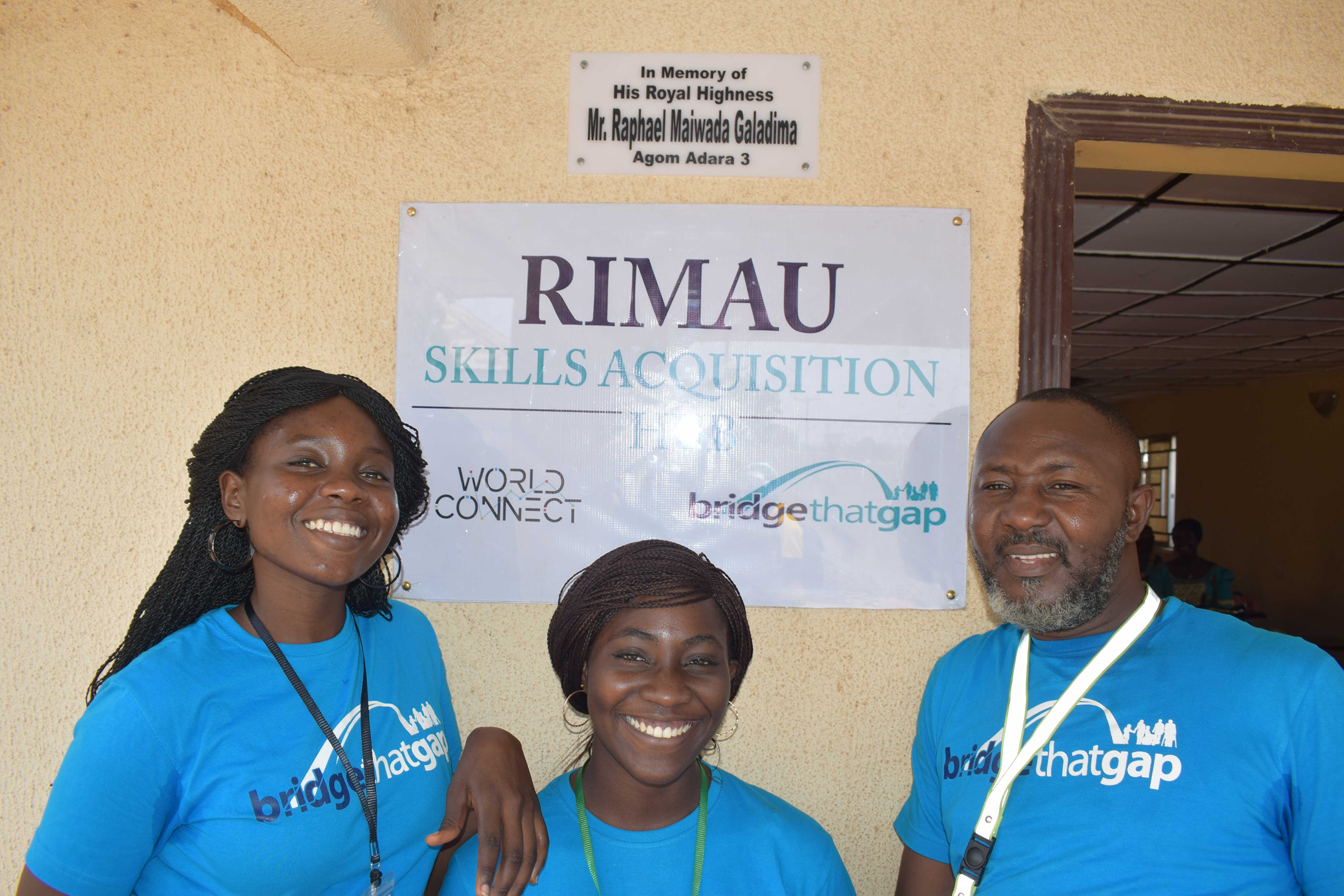
  • Provide women with skills training and entrepreneurship development programs to enhance their capacity to generate income.
  • Facilitate access to economic resources, including credit, microfinance, and grants, to support women in starting or expanding their businesses.
  • Conduct awareness campaigns to address social norms and stereotypes that may hinder women’s economic participation.
  • To promote efficient, equitable, and feasible implementation of social policy among vulnerable groups.

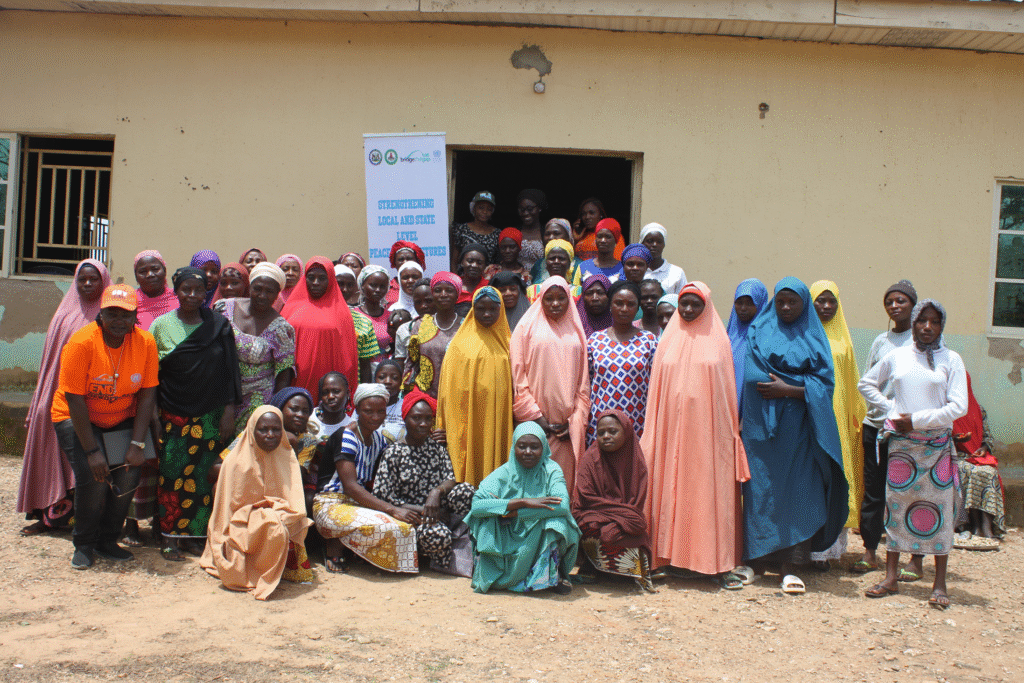
PEACEBUILDING AND CONFLICT MANAGEMENT

  • To contribute to peacebuilding, conflict management, issues of human rights (women and child protection, climate justice); and sexual and gender-based violence prevention.
  • To support communities, organizations, and individuals in developing skills and competencies in mediation, negotiation, dialogue, and reconciliation processes, as well as in designing and implementing peace education programs and initiatives.
  • To foster a culture of peace and nonviolence, based on the values of respect, diversity, inclusion, and cooperation, among individuals, groups, and communities.
  • To analyze the root causes and dynamics of conflicts, as well as the opportunities and challenges for peacebuilding interventions, in different contexts and levels of analysis.
  • To apply the principles and practices of peacebuilding and conflict management to various fields and sectors, such as development, humanitarian aid, governance, security, health, education, and environment.